There are so many reasons why the new rating (JUS), we have included in our new rating system (VJAOA), matters. The factor (JUS) in the VJAOA Wine Rating System is represented by the letter “J “ in VJAOA. For more on that, read THE VJAOA WINE RATING SYSTEM.

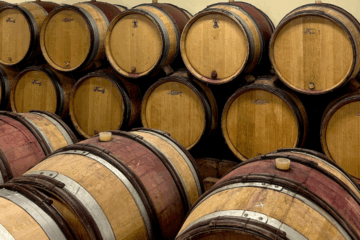
Probably the most glaring reason for the creation of this part of the rating system (JUS) was the common scenario where “overly-oaked,” mediocre wines would get colorful aroma descriptions from critics.
You see, if you add enough oak exposure to most red wines, for instance, the wine will display many more aromatics than it would if it were lightly exposed to oak.
Because wine rating notes are driven by adjectives describing the aromatics and then the flavor, the review notes for wines that did not deserve much attention at all would be littered with glowing adjectives of aromatics (most derived from the oak, but there are many notable exceptions).
This is not a problem if you are exposing a wine from a legendary estate from a very good to excellent vintage. In those cases, the wine is meant to age and the presence of oak is necessary to give dimension to the wine over time.
However, if we take Bordeaux for example, there are many, many wines produced in average vintages from average terroir and pedigree that get tons of oak and are rated with the same glowing adjectives for aromatics. When reading these ratings you may begin to think that the presence of those adjectives for a range of $10-25 Haut-Medoc wines from Bordeaux would mean the same things.
Now, price and the numerical wine rating itself will tell you a lot about the wine. Knowing the wines from years past will also give you a clue.
However, I can’t count the times that I have seen a shelf of affordable Bordeaux with ratings of around 89 and with glowing adjectives around aromatics. And yes, I might have purchased a couple of bottles – all to find that I would never buy that wine again, the juice was just not that good to begin with and, often, I can barely finish the bottle.
Sure, the aromatics were there when the critic tasted the wine. Maybe the rating was inflated a bit because the critic knows the winemaker or often in these cases, the negociant. But if truth be told, the juice (JUS) was not that great going into the winemaking process and the wine has been “overly oaked” to make up for it.
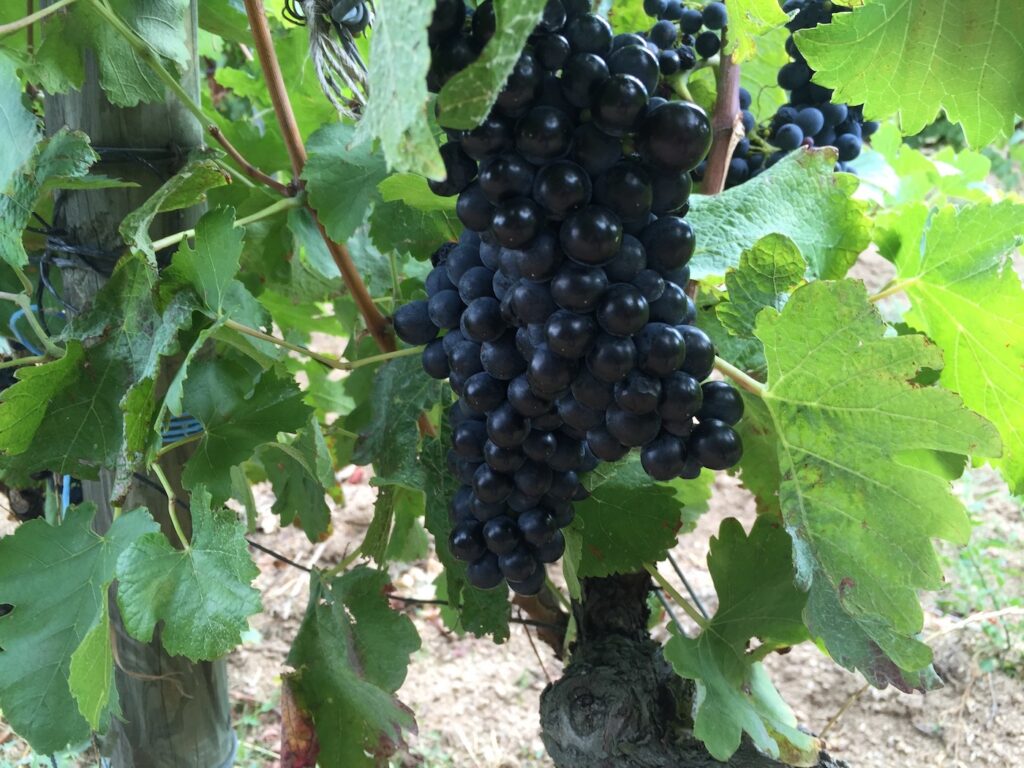
You may ask, what could give an indication that the (JUS) was not great going into the winemaking process? What’s an example? For these wines it could be a number of things. The wine could be made from mostly merlot and from very young vines. The (JUS) would be thin and without much more than a fruity, young character.
Let’s say the year was a very good vintage and hot towards the end. Maybe the best old vines were managed well and harvested before it got too hot. In other cases, the harvest date was not well managed and the merlot was overly ripened. If you have ever had merlot from regions in South America where the heat can lead to intense over-ripening, you have tasted this burnt licorice flavor that comes with over-ripened merlot. This flavor, while ripe and possibly in a good vintage, can ruin a Bordeaux blend. These are just a few examples and future posts will go into this further.
As a consumer, I am fine reading tasting notes and figuring out if a numerical rating is inflated, but tell me – is this average or below average juice (JUS)? And as a reputable wine critic, you have tasted tons of wines and let’s be honest, you will know. Because if I know that the (JUS) rating is low, I will know not to buy the wine regardless of the aromatics and will save tons of money over time.
UPCOMING POSTS ON (JUS):
JUS & MACERATION: What do aggressive pump-over methods do to the juice(JUS) in winemaking?
JUS & GRAVITY EXTRACTION: Why are so many winemakers building press facilities uphill from their barrel rooms?